

01
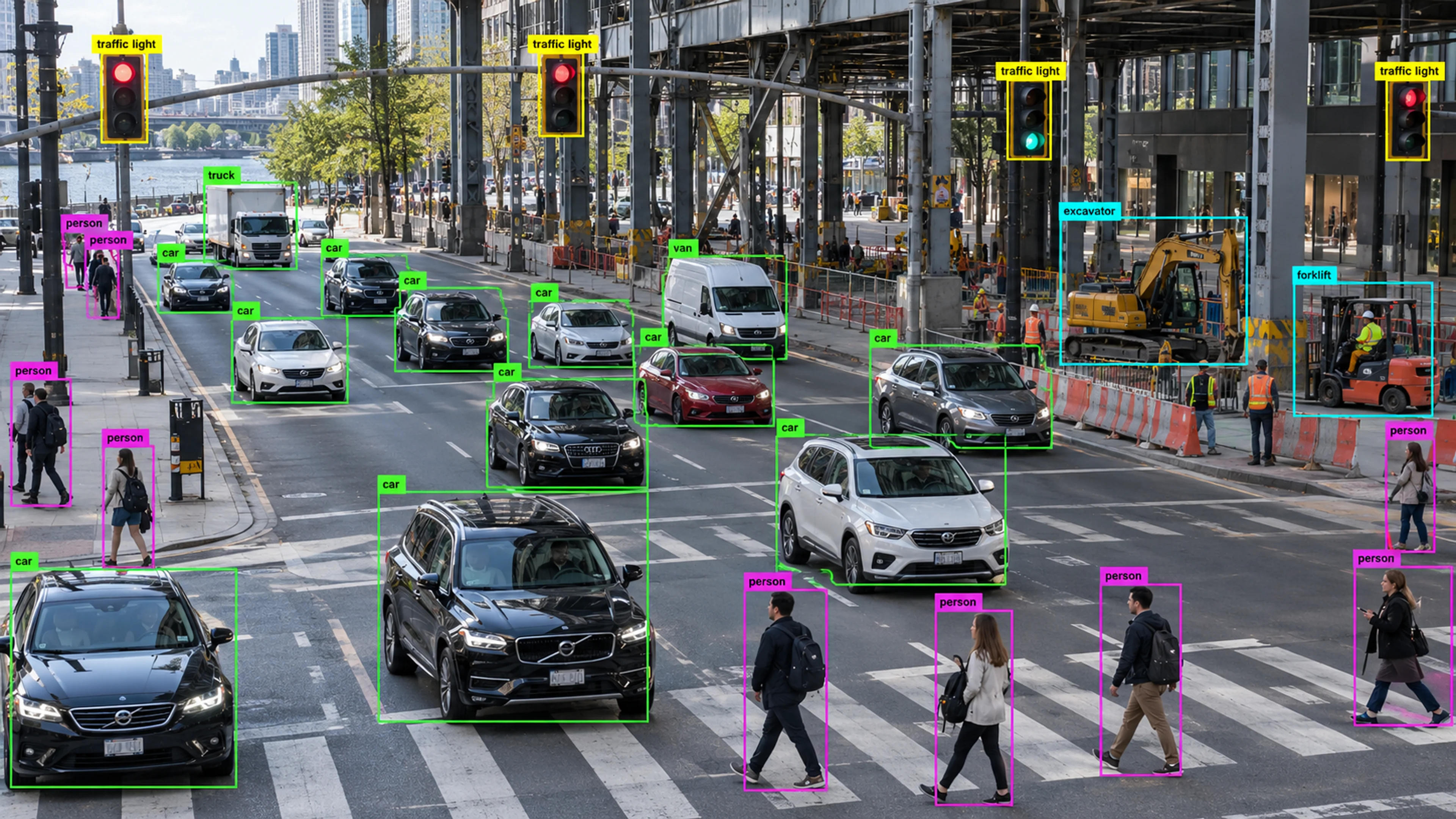
Lane congestion at a junction
Queue length on one approach exceeds its threshold through the morning peak. The alert supports signal timing review, and the trend is measured afterwards.
Industry
Analyze vehicle movement, congestion, entrances, parking, lane activity, and traffic patterns.
Traffic and Transportation
Illustrative environment · Traffic & transportation
Overview
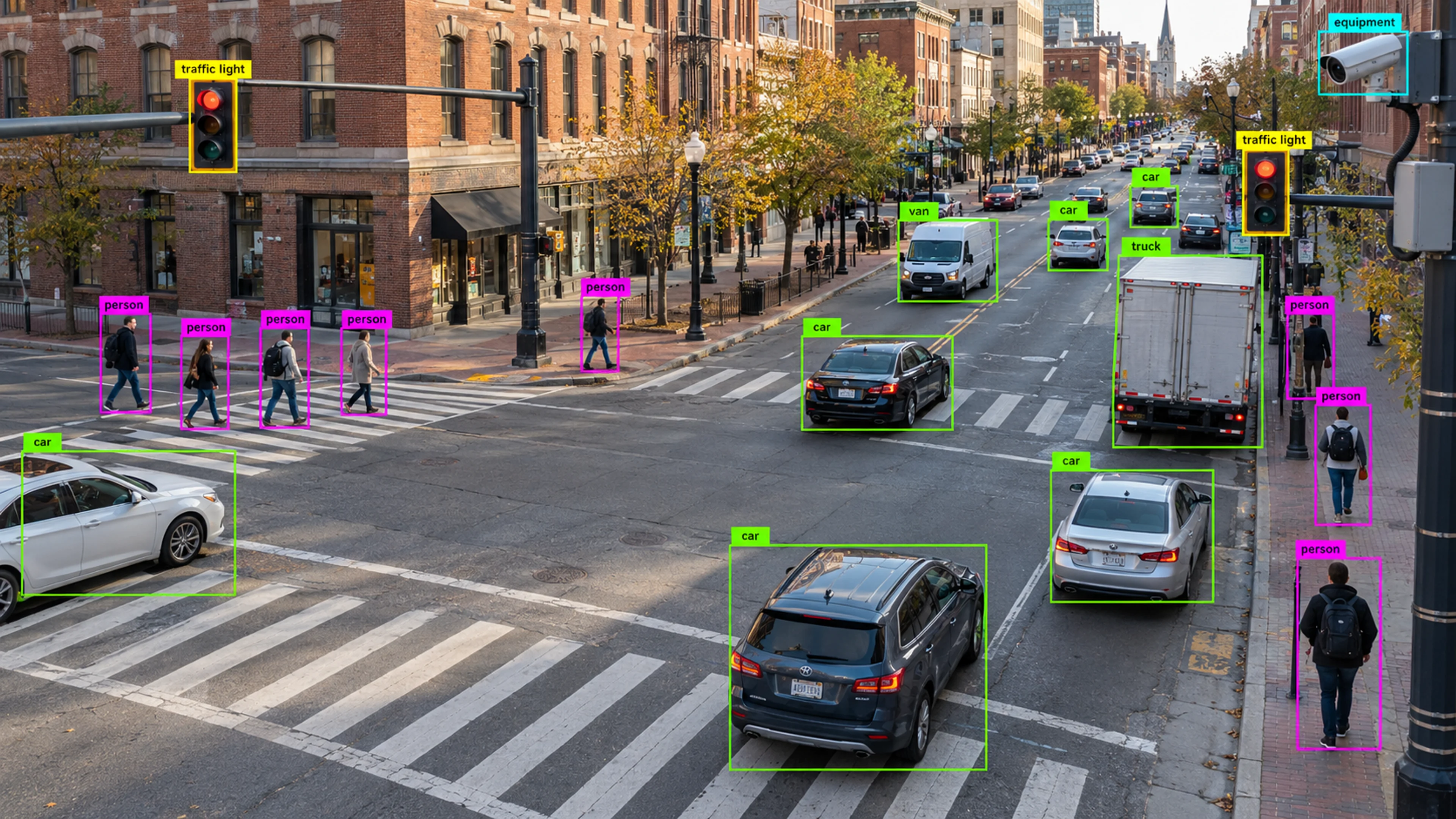
Roads, junctions, depots and transport hubs generate constant vehicle and pedestrian activity. Visrax uses existing traffic and depot cameras to measure flow, detect congestion and queue formation, monitor lane and entrance activity, and flag events such as stopped vehicles or pedestrians in restricted lanes.
Operations teams get live alerts for the situations that need a response and trend reports for planning.
Congestion is a pattern before it is a problem. Measuring the pattern is how you change it.
What it does
Each part is configured around your cameras, zones and schedules — the same system, set up for the way your site runs.
Tracking of cars, vans, buses and trucks through junctions, lanes and depot roads, with direction and dwell.
Queue length and dwell by lane and approach, with congestion alerts when thresholds are crossed.
Occupancy and throughput at depots, park-and-ride sites and transport hub car parks.
Counts and timing at depot gates and hub entrances, including after-hours activity rules.
In practice
Queue length on one approach exceeds its threshold through the morning peak. The alert supports signal timing review, and the trend is measured afterwards.
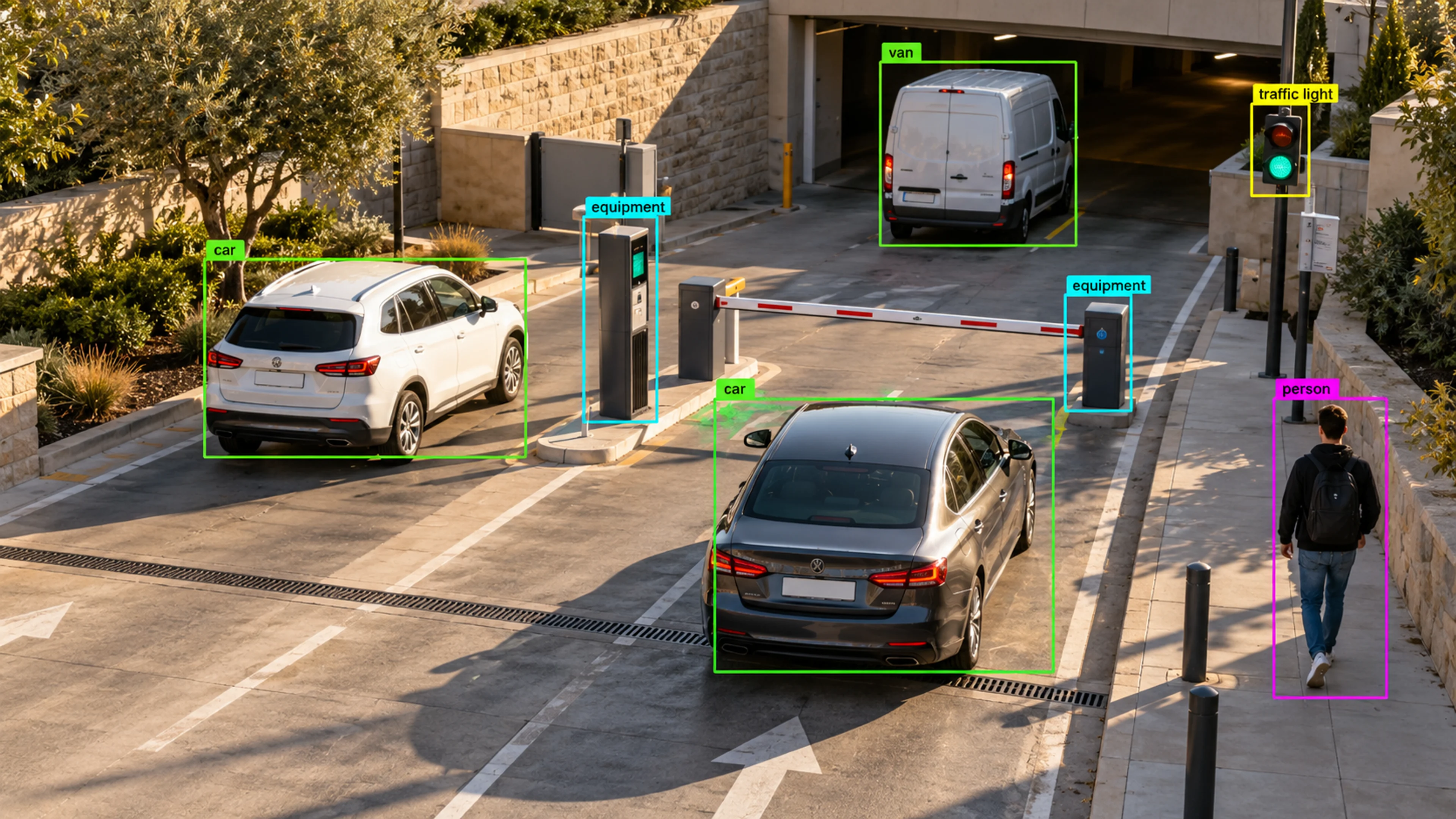
Dwell at a park-and-ride entrance rises on event days. The pattern informs barrier staffing and signage changes.
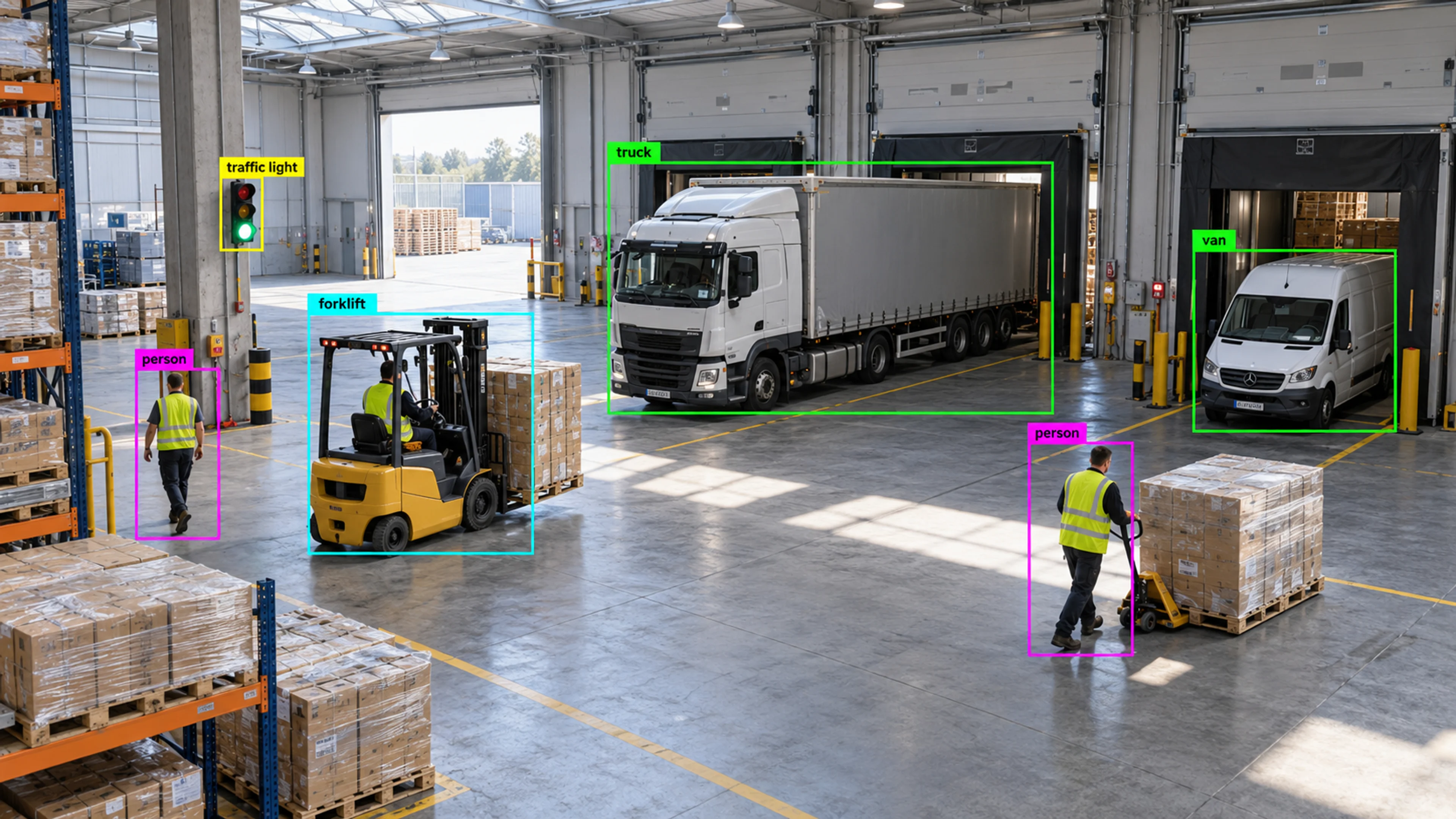
Bus movements through a depot yard are tracked by lane. A recurring blockage at one exit is identified and the yard plan adjusted.
Questions
Straight answers about how this is configured, what it needs and what it does not do.
Next step
Tell us about your sites and what you need to catch. We will walk through a setup that fits the way your operation runs.